The Rising Demand For A Private International Teacher In Expat Households
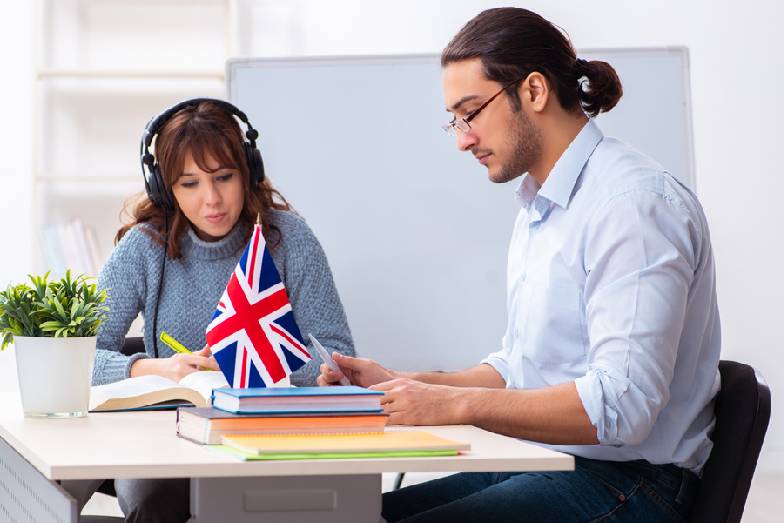
Expat families live in motion. New countries, new schools, new systems, often within short spans of time. Children adapt quickly, but not without strain. Language shifts. Curricula change. Expectations reset. This is where a private international teacher has moved from being a niche preference to a genuine necessity in many expatriate homes.
At Educare Global Consulting, we see this demand growing steadily. Families are no longer asking only for academic help. They are asking for continuity, stability, and someone who understands international education from the inside.
Why Expat Education Needs a Different Approach
Traditional schooling assumes permanence. Expat life does not. Children may change countries mid-year, switch boards, or study across multiple systems before adolescence.
This creates gaps. Not always in knowledge, but in confidence.
A private teacher fills those gaps quietly. Lessons are paced. Transitions are explained. Children are not rushed to “catch up.” They are guided to settle in.
That difference matters more than most parents realise.
What Makes an International Teacher Distinct
An international teacher is not simply someone who teaches abroad. They are trained to handle curriculum variation, cultural sensitivity, and adaptive learning environments.
Many of these professionals are certified teachers for overseas schools, familiar with British, IB, American, or blended international frameworks. They know how to map progress when systems change.
This expertise allows learning to continue smoothly, even when everything else feels unfamiliar.
Core Strengths of International Teachers
- Curriculum alignment across countries
- Experience with multicultural classrooms
- Strong communication and language clarity
- Emotional awareness during transitions
- Flexible lesson planning
These qualities are essential in homes where education cannot pause.
The Role of Home-Based Learning in Expat Families
School hours alone are often not enough. Time zones, relocations, and adjustment periods disrupt routines.
Home-based education provides consistency. It allows children to revisit topics, ask questions freely, and regain confidence at their own pace.
A private teacher working within the household becomes part of that rhythm. Learning happens after school, during travel periods, or even before formal enrolment begins.
How Certified Teachers Support Academic Stability
Parents often worry about academic continuity. Will their child fall behind? Will they struggle to adapt again?
This is where certified teachers for overseas schools make a clear difference. They understand assessment benchmarks and progression standards. They know what schools expect, even across borders.
Here is how they support stability.
Challenge | Teacher’s Role |
School transitions | Aligning old and new curricula |
Language gaps | Targeted language reinforcement |
Exam preparation | Board-specific guidance |
Confidence loss | Structured, reassuring support |
Children regain their footing faster when someone understands both sides of the system.
Educare Global Consulting’s Perspective
At Educare Global Consulting, we work with families who want education to feel anchored, even when life is not. We take time to understand each child’s academic background, personality, and future schooling plans.
Our placements are never rushed. We focus on long-term compatibility, not short-term fixes. We also stay involved after placement, supporting families as educational needs evolve.
For expat households, that ongoing guidance is often as valuable as the teacher herself.
Beyond Academics: Emotional Continuity
Learning is emotional. Especially for children navigating new cultures.
International teachers are trained to recognise emotional cues. They understand when a child needs reassurance more than revision. This sensitivity prevents burnout and anxiety, which are common during frequent relocations.
Children who feel understood engage more deeply. They take risks. They speak up.
When Families Choose Private Over Institutional Support
Some families turn to private teachers before enrolling in schools. Others use them alongside international schooling.
Common reasons include:
- Mid-year relocations
- Temporary assignments abroad
- Language transition periods
- Exam-year support
- Cultural adjustment needs
Private education offers flexibility that institutions cannot always provide.
The Long-Term Value for Global Children
Children raised across borders often develop adaptability early. With the right support, they also develop a strong academic identity.
A private teacher helps them understand that learning does not belong to one country or system. It belongs to them.
That mindset carries forward into higher education and beyond.
Education That Moves With the Family
The demand for a private international teacher reflects a deeper truth about modern expatriate life. Education must travel as smoothly as families do.
At Educare Global Consulting, we believe this level of support should be intentional, qualified, and deeply personal. As a trusted private household staff agency, we help families build educational stability wherever life takes them. When learning feels consistent, children grow with confidence, not uncertainty.
Also Read:-
How A Professional British Nanny Brings Structure And Confidence To Home Learning
What Sets The Best Governess Services Apart In Today’s Private Education Market
More Useful Links:-
Celebrity Nanny Agency Madinah | Vip Maternity Nurse Madinah | Private Teacher For High-Net-Worth Family Madinah
FAQs
Q. Why do expat families prefer private international teachers?
Expat families often face frequent relocations and curriculum changes. A private international teacher provides continuity, helping children adjust academically and emotionally while maintaining progress despite shifting education systems and cultural environments.
Q. Are international teachers aligned with global school curricula?
Yes. Many international teachers are trained across British, IB, and American systems. Their experience allows them to bridge gaps between curricula and prepare students for smooth transitions into overseas schools.
Q. Can private teachers support children alongside international schooling?
Absolutely. Private teachers often work alongside schools to reinforce learning, support exam preparation, or help children adapt to new teaching styles, ensuring confidence and consistency beyond classroom hours.
Q. How does Educare Global Consulting support families after placement?
We remain involved through follow-ups and guidance, ensuring the teacher-child relationship continues to meet academic goals as the family’s location, schooling, or long-term plans change.
Latest Post
- All Posts
- Blog
- Education Teachers
- Household Staff
- Maternity Nurse
- Nanny